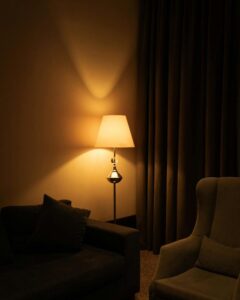
Creating a relaxing home office environment is essential for maintaining focus, productivity, and overall well-being, especially as working from home becomes more common. A calm and inviting workspace helps reduce stress and makes work feel less like a chore. Whether you have a dedicated room or a small corner in your living space, these tips will help you design a home office that feels comfortable and inspiring.
1. Choose the Right Location
The foundation of a relaxing home office is selecting the ideal spot. If possible, pick a quiet area away from high traffic or noisy parts of your home. Natural light is a huge bonus—it can lift your mood and reduce eye strain. Near a window is perfect.
Tips for location:
– Avoid places near busy doors or kitchens.
– Consider using a room divider if you can’t get a separate room.
– Make sure there is enough space for your desk, chair, and storage.
2. Invest in Comfortable Furniture
A relaxing space starts with comfort. Choose an ergonomic chair that supports your back and encourages good posture. Your desk should be at a height where your arms can rest naturally when typing or writing.
Recommended furniture considerations:
– Adjustable chair with lumbar support.
– Desk with enough surface area but not overly cluttered.
– Footrest or standing desk option if possible.
3. Simplify and Declutter
Clutter can cause stress and distract you from work. Keep surfaces clean and only display items that inspire or relax you. Organize documents, gadgets, and stationery in storage solutions like shelves, drawers, or containers.
Decluttering tips:
– Use cable organizers to keep wires tidy.
– Store rarely used items out of sight.
– Regularly clear your desk at the end of each day.
4. Use Calming Colors
Colors affect mood. Soft, neutral shades such as light blues, greens, or beige create calmness and help your brain relax. If painting the walls isn’t an option, consider accessories like cushions, rugs, or artwork in these tones.
Color ideas:
– Light pastel colors.
– Natural wood tones.
– White or cream to keep it bright and fresh.
5. Add Natural Elements
Bringing nature indoors can make your workspace more inviting. Plants improve air quality and add a soothing green touch. If you don’t have much natural light, low-maintenance plants like snake plants or pothos are great options.
How to incorporate nature:
– Place a few small plants on your desk or shelves.
– Use natural materials like wooden desk organizers or wicker baskets.
– Display photos or artwork of nature scenes.
6. Set Proper Lighting
Good lighting reduces eye fatigue and helps set the mood. Mix natural light with adjustable artificial lights. Soft, warm lighting can create a relaxed atmosphere, while bright task lighting ensures you can focus when needed.
Lighting tips:
– Position your desk near a source of natural light.
– Use a desk lamp with adjustable brightness.
– Avoid harsh overhead lighting that causes glare.
7. Control Noise Levels
Background noise can be distracting. If your space isn’t naturally quiet, consider options to manage sound:
– Use noise-canceling headphones or earbuds.
– Add soft textiles like rugs or curtains to absorb sound.
– Play gentle background music or white noise to mask disruptive sounds.
8. Personalize Thoughtfully
Add personal touches that make you feel comfortable without cluttering the space. Meaningful photos, a favorite mug, or motivational quotes can lift your spirits and provide tiny moments of joy throughout the day.
Personalization ideas:
– A small photo frame on your desk.
– Inspirational wall art.
– A scented candle or diffuser with subtle fragrances like lavender or citrus.
9. Maintain a Comfortable Temperature
Temperature affects comfort and focus. Use fans, heaters, or open windows to keep the air fresh and at a pleasant temperature. Dress comfortably and have layers nearby to adjust throughout the day.
10. Take Breaks and Move
Even the most relaxing environment can’t substitute for regular breaks. Step away from your desk every hour to stretch or walk around. This reduces tension and helps maintain mental clarity.
—
Final Thoughts
Creating a relaxing home office environment doesn’t require a huge budget or drastic makeover. With small changes—like better lighting, a comfy chair, and some greenery—you can transform your workspace into a peaceful retreat that supports productivity and well-being.
Try these tips and adjust based on your personal preferences to find the perfect balance between comfort and function in your home office. Happy working!