Creating a relaxing home workspace is essential in today’s world, where working from home has become increasingly common. A well-designed workspace does more than just look nice—it helps reduce stress, increase focus, and boost overall productivity. If your current setup feels cluttered or uninspiring, making a few thoughtful changes can transform how you work every day.
In this post, we’ll explore practical tips to design a calming, comfortable home workspace that supports your productivity and well-being.
Choose the Right Location
Consider natural light and quietness
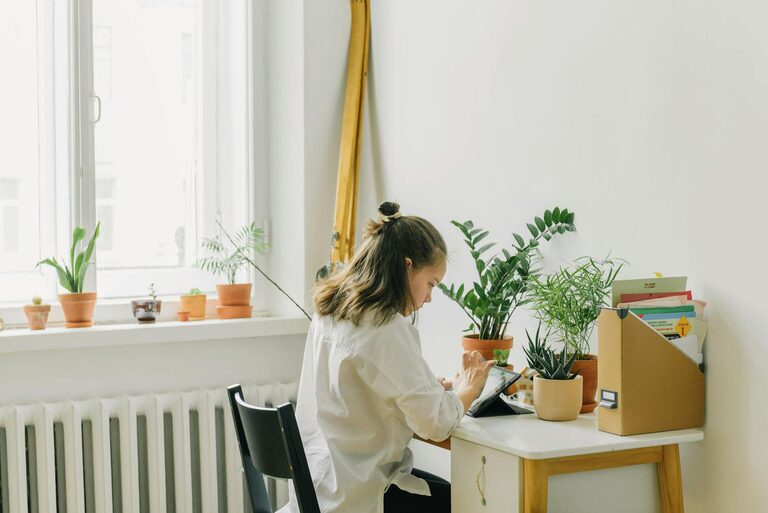
Your workspace location plays a big role in how relaxed and focused you feel. If possible, set up your desk near a window with plenty of natural light. Natural light helps regulate your body clock and improves mood, making long work hours easier.
Also, pick a quiet spot that’s away from distractions like the television or a busy hallway. If space is limited, try using room dividers or noise-cancelling headphones to create separation.
Keep your workspace dedicated
Even if it’s a small corner, try to keep your workspace dedicated only to work. This mental separation helps your brain associate the area with productivity and focus, making it easier to “switch on” during work time.
Invest in Ergonomic Furniture
Support your posture
Comfortable and supportive furniture is key to avoiding aches and fatigue. Choose an ergonomic chair with adjustable height and lumbar support to maintain good posture during long periods of sitting.
Pair the chair with a desk at the right height so your arms rest comfortably while typing, with your feet flat on the floor or on a footrest.
Consider a sit-stand desk
If possible, a sit-stand desk allows you to alternate between sitting and standing, which can reduce back pain and boost energy. Even small movements can help improve circulation and focus.
Use Calming Colors and Simple Decor
Choose soothing color schemes
Colors impact your mood significantly. Soft, neutral colors like light blues, greens, or beige create a calming environment. Avoid overly bright or harsh colors that can strain the eyes or cause distractions.
Keep decor minimal and meaningful
A clutter-free desk supports mental clarity. Only keep essential items on your desk, like your computer, a notebook, and a few personal touches such as a small plant or a favorite photo.
Adding plants not only brightens the space but has been shown to reduce stress and improve air quality.
Organize Your Workspace Efficiently
Declutter regularly
A messy workspace can create subconscious stress. Spend a few minutes at the end of each day tidying your desk and organizing cables, papers, and supplies.
Use storage solutions
Use drawers, shelves, or organizers to keep everything neat and within reach. Label storage containers for easy identification and reduce visual clutter.
Manage digital clutter
Keep your desktop and digital files well organized. Close unused tabs and apps to minimize distractions and keep your screen tidy.
Incorporate Personal Comfort Elements
Control lighting
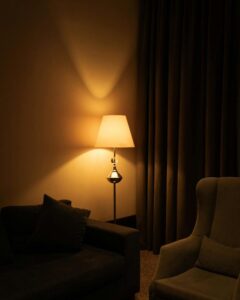
Besides natural light, add adjustable lamps to control brightness throughout the day. Use warm bulbs for evening work sessions to reduce eye strain.
Adjust temperature and air quality
Make sure your workspace is well-ventilated and kept at a comfortable temperature. A small fan or air purifier can help if needed.
Use noise control
If ambient noise is unavoidable, consider noise-cancelling headphones, white noise machines, or calming background sounds to maintain focus.
Take Breaks and Move Regularly
Schedule breaks
Design your day with regular short breaks to stretch, walk, or simply rest your eyes. This practice helps prevent burnout and keeps productivity steady.
Incorporate movement reminders
Use apps or timers to remind you to stand, stretch, or take a quick walk to refresh your mind and body.
Personalize Your Workspace Mindfully
Add inspiring elements
Keep motivational quotes, vision boards, or artwork that inspires you nearby. These elements can boost your mood and keep you motivated.
Avoid overdecorating
While personal touches are important, avoid overcrowding your space with decorations that distract rather than inspire.
—
By thoughtfully designing your home workspace with comfort and calmness in mind, you can create an environment that supports productivity and well-being. Remember, small changes can lead to big improvements in how you feel and work every day. Start with these tips and adjust as needed to find what works best for you!